
The effects of diet on skin health and aging
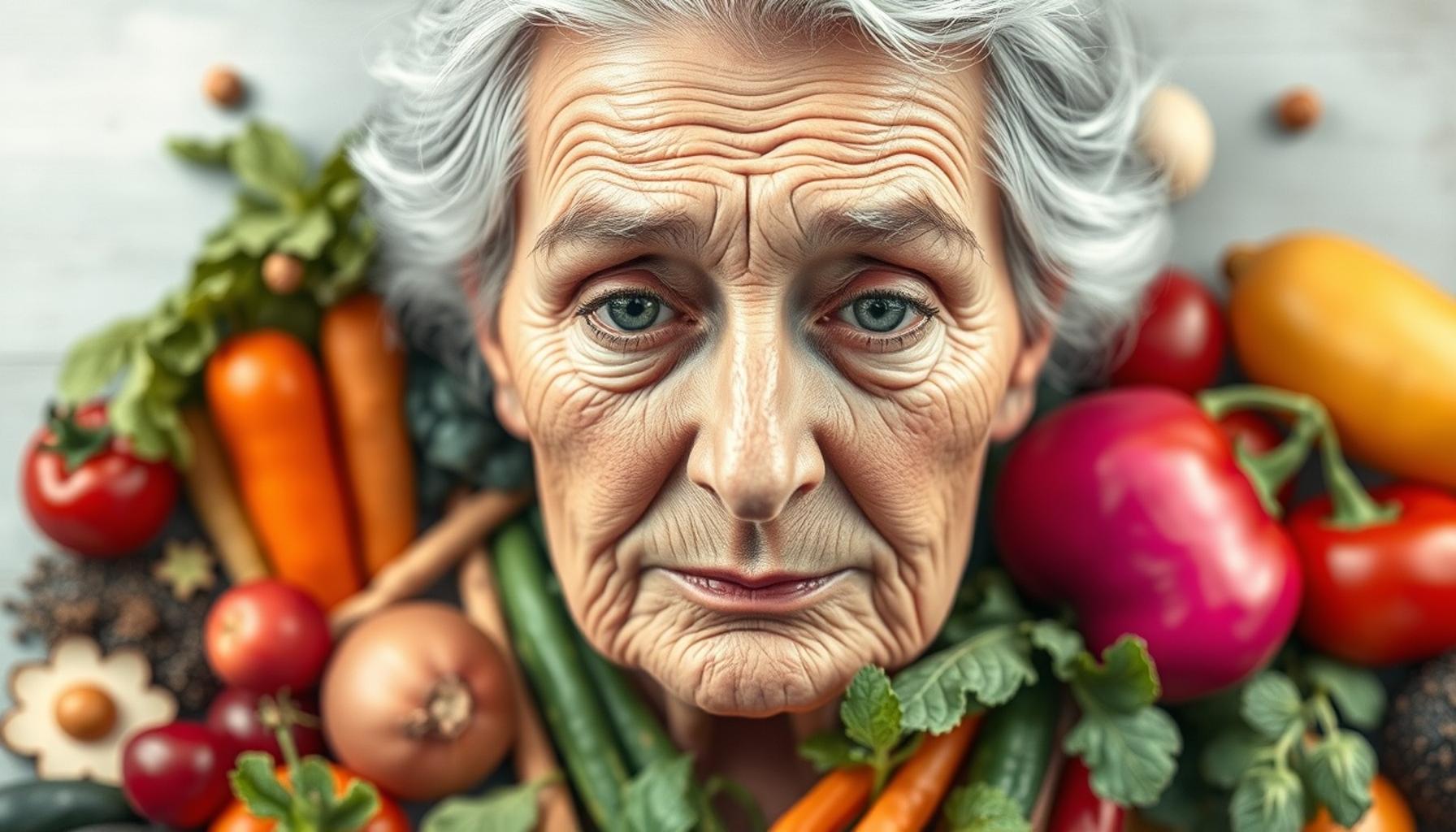
Exploring the Connection Between Diet and Skin Health
Many people are unaware of the profound impact that diet has on skin health and the aging process. What we consume can directly affect our skin’s appearance, texture, and overall vitality. Understanding this relationship can open doors to healthier skin and potentially delay aging signs.
Nutrients Essential for Skin Health
Several nutrients play a critical role in maintaining youthful skin, including:
- Antioxidants – Found abundantly in fruits and vegetables such as oranges, strawberries, and spinach, antioxidants are vital in protecting skin cells from oxidative stress and damage from free radicals, which are compounds formed when our bodies metabolize food or when exposed to environmental toxins.
- Omega-3 Fatty Acids – Present in fatty fish like salmon, walnuts, and flaxseeds, these essential fats promote a healthy skin barrier. They help to retain moisture and protect against irritants, which can prevent conditions such as eczema and psoriasis.
- Vitamins C and E – These vitamins are crucial for collagen production and skin repair. Vitamin C, found in citrus fruits, kiwi, and bell peppers, helps in synthesizing collagen, while Vitamin E, present in nuts and seeds, serves as an antioxidant that can support skin integrity and protect against UV damage.
Dietary Choices and Skin Aging
The effects of certain foods can accelerate or slow down the aging of skin. Consider the following:
- Sugar – Excessive consumption of sugar not only leads to weight gain but can also cause glycation. This process damages collagen and elastin, the proteins responsible for skin firmness and elasticity, resulting in premature wrinkling. Reducing sugar intake can positively impact skin’s youthful appearance.
- Processed Foods – Often high in trans fats, sugars, and additives, processed foods can trigger inflammation in the body. Foods such as chips, pastries, and sugary cereals can contribute to a dull complexion and exacerbate acne conditions. Emphasizing whole, unprocessed foods can nourish the skin from within.
- Hydration – Adequate water intake is crucial for maintaining skin moisture and elasticity. The skin is the body’s largest organ and requires water to function optimally. Consuming at least eight glasses a day can help maintain skin’s plumpness and prevent dryness.
As we delve deeper, it becomes evident that a balanced and nutritious diet can serve as a powerful ally in enhancing skin health and slowing down aging. For instance, the Mediterranean diet, rich in fruits, vegetables, whole grains, and healthy fats, has been linked to improved skin quality and reduced signs of aging. Discovering the science behind these connections can empower individuals to make informed dietary choices for their skin’s sake.
Ultimately, understanding the link between what we eat and how our skin looks can motivate us to choose foods that enhance our overall health and appearance. By integrating nutrient-rich foods into daily meals, individuals can invest in their skin’s future vitality and resilience.
Crucial Dietary Factors Impacting Skin Appearance
While a well-balanced diet is essential for overall health, it is also vital for maintaining youthful and vibrant skin. The foods we choose to consume can either nourish our skin or hasten its decline, impacting not just our appearance but also our long-term skin health. Let’s explore some of the key dietary factors that significantly influence skin conditions and the aging process.
The Role of Hydration
First and foremost, hydration plays a pivotal role in skin health. The skin requires adequate moisture to maintain its elasticity and suppleness. Studies indicate that dehydration can lead to dry, flaky skin, which may exacerbate the appearance of fine lines and wrinkles. Aim to drink sufficient water every day—typically around eight 8-ounce glasses—as this keeps the skin hydrated and functioning at its best.
Essential Fatty Acids and Their Benefits
Another dietary component that is essential for skin health is fatty acids, specifically omega-3 and omega-6. These fats are found in foods like fish, walnuts, and flaxseed, and they play a crucial role in maintaining the skin’s lipid barrier.
- Omega-3 Fatty Acids – These are known to reduce inflammation, making them beneficial for conditions like psoriasis and acne. They help to combat redness and irritation while promoting a more even skin tone.
- Omega-6 Fatty Acids – Present in sunflower and evening primrose oil, these fatty acids are important for skin repair and regeneration. They help to boost the skin’s natural moisture and combat dryness.
The Impact of Sugars and High Glycemic Foods
Another dietary factor that warrants attention is the consumption of sugary and high glycemic index foods. Foods that cause a rapid increase in blood sugar levels can lead to a process called glycation, wherein sugar molecules bind to proteins like collagen and elastin. This can result in the breakdown of these crucial skin proteins, leading to a loss of firmness and elasticity. Foods such as white bread, sugary snacks, and sodas should be minimized to prevent these harmful effects.
The Power of Antioxidant-Rich Foods
Antioxidants are critical for combating the oxidative stress caused by environmental factors like pollution and UV rays. Including foods rich in antioxidants—such as berries, nuts, and green leafy vegetables—can help protect skin cells from damage. Antioxidants such as vitamins C and E have been shown to improve skin texture and tone. They support collagen formation, making your skin appear firmer and more radiant.
As we continue to uncover the intricate relationship between diet and skin health, it becomes increasingly clear that making informed food choices is essential for protecting our skin’s vitality and longevity. By focusing on a nutrient-dense diet rich in essential fatty acids, antioxidants, and proper hydration, individuals can help mitigate the signs of aging while enhancing their skin’s overall appearance.
The Effects of Diet on Skin Health and Aging
As we delve into the intricate relationship between diet and skin health, it’s essential to understand how the nutrients we consume influence our complexion and overall aging process. A balanced diet rich in vitamins and minerals can contribute significantly to maintaining youthful skin and preventing premature aging. For instance, antioxidants found in fruits and vegetables play a critical role in combating oxidative stress, which can lead to skin damage and aging.
One of the most beneficial nutrients for skin health is vitamin C, known for its power to promote collagen production. This protein is vital for skin elasticity and strength. Citrus fruits, berries, and leafy greens are excellent sources of vitamin C. Along with that, foods high in omega-3 fatty acids, such as salmon, flaxseeds, and walnuts, help maintain the skin’s lipid barrier, promoting hydration and reducing inflammation.
Another key aspect is hydration, which is often overlooked. Consuming adequate water and incorporating hydrating foods, such as cucumbers and watermelon, can keep the skin plump and youthful. Dehydration can exacerbate the appearance of fine lines and dullness, making hydration a fundamental part of skin health.
Moreover, recent studies suggest that diets high in refined sugars and processed foods may accelerate aging by triggering inflammation and oxidative stress. Thus, reducing sugar intake can have a positive impact on skin appearance and health. Adopting a diet rich in whole foods while limiting processed options can not only enhance skin vitality but also bolster overall well-being.
| Category | Key Features |
|---|---|
| Nutrients for Youthful Skin | Includes vitamins C and E, omega-3 fatty acids, and antioxidants. |
| Anti-inflammatory Foods | Fruits, vegetables, fish, and whole grains that reduce inflammation and protect skin. |
By understanding how diet directly impacts skin health and aging, individuals can make informed decisions about their nutrition, ultimately promoting a more radiant complexion and delaying the signs of aging. The journey toward healthier skin begins on the plate, making dietary choices vital in this ongoing battle against time.
Specific Nutrients That Boost Skin Resilience
Beyond hydration and essential fatty acids, numerous specific nutrients play a vital role in maintaining skin integrity and mitigating the aging process. Understanding these nutrients can empower individuals to curate their diets for optimal skin health.
Vitamins That Matter
Vitamins are fundamental to skin health, with particular emphasis on vitamin A, vitamin C, and vitamin E. These vitamins contribute not only to skin maintenance but also to its resilience against environmental stressors.
- Vitamin A – Essential for skin repair and maintenance, vitamin A promotes cell turnover, which helps to shed dead skin cells and support the production of new ones. Foods like carrots, sweet potatoes, and dark leafy greens are excellent sources.
- Vitamin C – Known for its collagen-boosting properties, vitamin C is crucial in maintaining skin elasticity and firmness. Citrus fruits, strawberries, and bell peppers are packed with this potent vitamin, making them important components of a skin-friendly diet.
- Vitamin E – As a powerful antioxidant, vitamin E aids in protecting the skin from harmful UV rays and environmental pollutants. Nuts, seeds, and spinach offer ample quantities of this nutrient, working synergistically with vitamin C to enhance skin health.
The Importance of Zinc
Zinc is another key player in skin health often overlooked in dietary discussions. This essential mineral helps to regulate oil production in the skin, making it especially beneficial for individuals with oily or acne-prone skin. It also accelerates the healing process of wounds and reduces inflammation, promoting a clearer complexion.
Dietary sources rich in zinc include oysters, beef, pumpkin seeds, and chickpeas. Increasing zinc intake can be particularly helpful in addressing skin concerns and improving overall skin texture.
Plant-Based Diets and Their Impact on Skin Health
Recent research indicates that adopting a plant-based diet may have positive effects on skin health. Fruits and vegetables are naturally high in vitamins, minerals, and antioxidants, which help combat skin aging. Their high fiber content can also promote better digestion, indirectly reflecting in skin clarity.
In a global study, consumption of a diet rich in fruits, vegetables, nuts, and whole grains showed a correlation with reduced skin aging and improved complexion. Whole foods not only support skin wellness but also limit the intake of processed foods known to lead to inflammation and breakouts.
The Connection Between Gut Health and Skin Health
The gut-skin axis is an emerging field of study that highlights the connection between gut health and skin conditions. A healthy gut microbiome can potentially lead to clearer skin, as it helps to reduce systemic inflammation that can exacerbate skin issues.
Fermented foods such as yogurt, kefir, kimchi, and sauerkraut are beneficial for maintaining gut health. These foods contain probiotics that promote a balanced microbiome, which may subsequently encourage healthier skin. Moreover, a diet high in prebiotic foods, like garlic, onions, and asparagus, supports the growth of beneficial gut bacteria, further highlighting the dietary connection to skin health.
These insights into how specific nutrients and dietary choices contribute to skin health emphasize the importance of holistic nutrition. Implementing a variety of skin-friendly foods can help individuals nurture their skin from the inside out, potentially delaying the visual signs of aging.
Conclusion: Nourishing Your Skin from Within
In summary, the intricate relationship between diet and skin health is profound, revealing that the foods we consume can significantly influence the aging process and the overall appearance of our skin. By incorporating essential vitamins such as A, C, and E, as well as vital minerals like zinc, individuals can enhance their skin’s resilience, promoting repair and preventing damage.
Moreover, as research suggests, a plant-based diet rich in fruits, vegetables, nuts, and whole grains not only supports skin vitality but actively combats the visible signs of aging. These nutrient-dense foods are abundant in antioxidants that combat oxidative stress, which plays a significant role in skin deterioration. Additionally, understanding the connection between gut health and skin clarity opens new avenues for skincare, highlighting that nourishing our gut can reflect positively on our skin.
Ultimately, adopting a holistic approach to nutrition—one that prioritizes whole, minimally processed foods—can yield remarkable benefits for both skin health and aging. Individuals should be encouraged to cultivate dietary habits that focus on diversity and nutrient density. By doing so, they not only invest in their skin’s immediate health but also lay the groundwork for maintaining a youthful complexion well into the future. This evidence underscores the power of nutrition in enhancing skin health, leading to a clearer, more radiant complexion, and proves that the choices we make in our kitchens can have lasting impacts on how we age.

Beatriz
Beatriz Johnson is a seasoned skincare specialist and writer with a passion for simplifying the complexities of beauty science and skincare routines. With over a decade of experience in the aesthetics industry, she specializes in topics like ingredient efficacy, anti-aging strategies, and global beauty trends. Through her work, Beatriz empowers readers to make informed skincare choices and stay ahead in the ever-evolving world of beauty and wellness.