
The impact of skin microbiota on health and skin aging
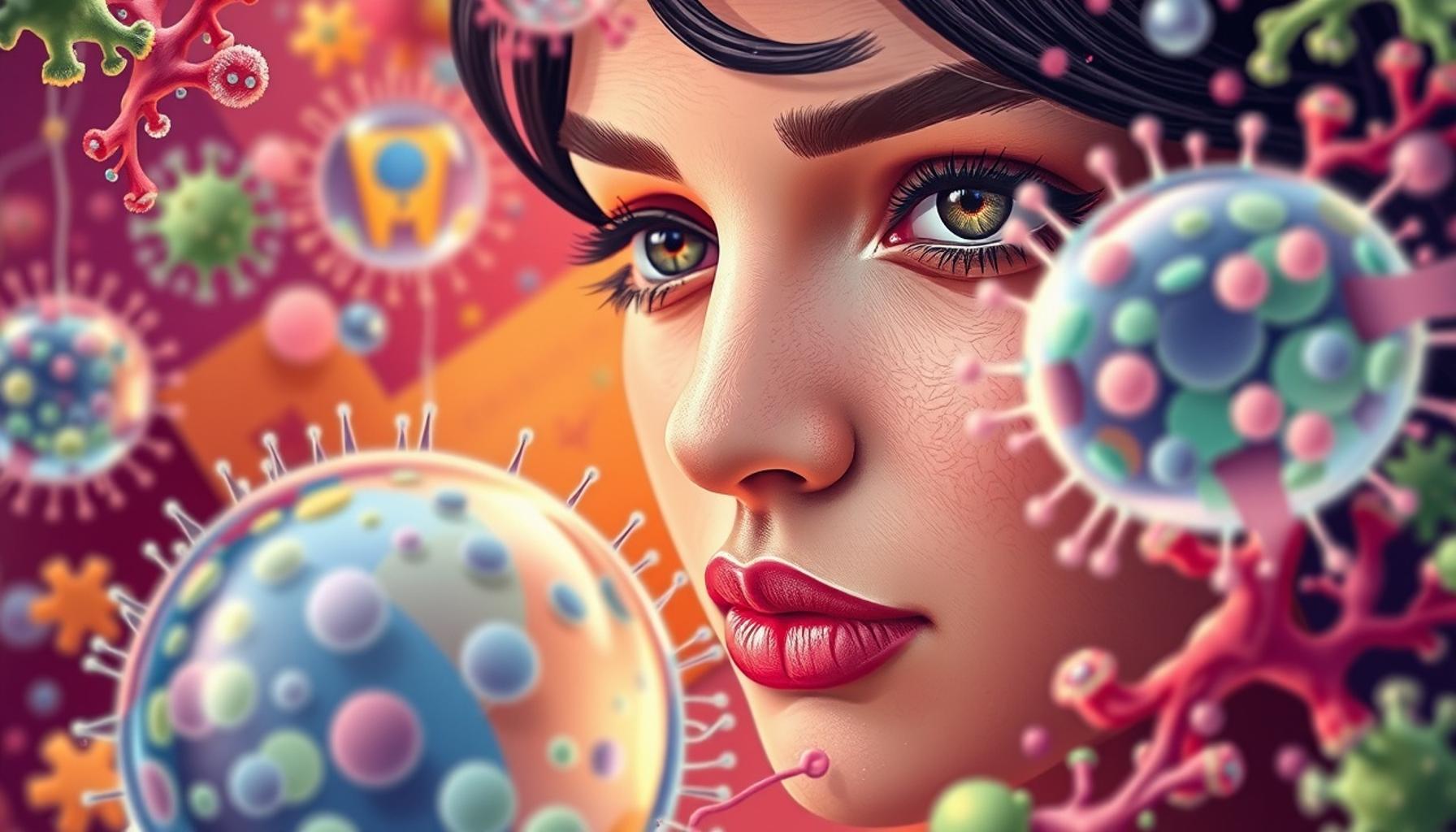
The Complex World of Skin Microbiota
The human skin is not merely a protective barrier; it serves as a dynamic and diverse ecosystem overflowing with microorganisms, collectively known as the skin microbiota. This community of bacteria, fungi, and viruses is essential to maintaining skin health, influencing both our appearance and overall well-being. Recent studies have shed light on the intricate ways these microscopic inhabitants impact everything from inflammation to the skin’s aging process.
Key Functions of Skin Microbiota
- Protection: One of the primary roles of the skin microbiota is to act as a safeguard against harmful pathogens. By occupying space on the skin’s surface and producing antimicrobial substances, these microorganisms help prevent the colonization of disease-causing germs, thus significantly reducing the risk of skin infections.
- Immune Response: Beyond mere protection, skin microbiota also plays a crucial role in modulating the skin’s immune responses. They help train the immune system to distinguish between harmful invaders and harmless microbes, ensuring an appropriate reaction when threats arise. This balance is essential for preventing conditions such as eczema and psoriasis, which can arise from abnormal immune reactions.
- Skin Health: A balanced microbiota is vital for maintaining skin hydration, elasticity, and overall barrier function. By producing compounds that keep the skin moisturized, these microbes influence not just how our skin looks but also how it ages. For instance, a diverse microbiota has been linked to fewer signs of aging, leading researchers to explore the potential of probiotics in skincare.
Research highlights fascinating connections between skin microbiota and various external and internal factors, which are crucial for maintaining skin health:
- Environmental Stressors: Factors such as urban pollution and UV radiation can disrupt the delicate balance of the skin microbiota. This disruption can accelerate visible signs of aging, including wrinkles and hyperpigmentation, prompting a closer look at how we can protect our skin from these elements.
- Diet: What we eat significantly influences the composition of our skin microbiota. Diets rich in antioxidants and omega fatty acids have been shown to foster a healthy microbiome, while excessive sugar and processed foods can lead to imbalances that affect both skin appearance and health.
- Skincare Products: The products we apply to our skin can either nourish or harm our microbiome. While some formulations are designed to support microbial diversity, others, particularly those containing harsh chemicals, can strip away beneficial bacteria. Understanding ingredient labels and their effects on skin health is becoming increasingly essential for consumers.
As we deepen our understanding of skin microbiota, it becomes clear that fostering a healthy microbial community is essential for optimal skin health and delaying the aging process. This area of research not only opens doors to innovative skincare solutions but also prompts further investigation into how lifestyle choices can enhance our skin’s natural defenses. Wouldn’t it be fascinating to explore how these tiny organisms, often unnoticed, wield such significant power over our lives?
Unveiling the Connection: Skin Microbiota and Health
The intricate relationship between skin microbiota and health cannot be overstated. With over one trillion microorganisms living on our skin, this lively community takes center stage in governing not only skin health but also overall physical health. Each microbe plays a unique role, collectively influencing the skin’s immune system, hydration levels, and even its resilience against external threats. The understanding of how skin microbiota impacts health is crucial, especially when considering factors that might disrupt this delicate balance.
The Role of Skin Microbiota in Disease Prevention
Research has indicated that a diverse skin microbiome can be a critical factor in preventing several skin-related diseases. For instance, an imbalanced microbial community can lead to conditions like acne, dermatitis, and rosacea—as these diseases often stem from an overgrowth of specific microbes paired with inflammation. Regularly maintaining a diverse skin microbiota can provide a first line of defense against these outcomes.
Additionally, emerging studies suggest that the skin microbiota influences systemic health. For example, chronic skin issues may indicate underlying health concerns, such as diabetes or autoimmune disorders. The skin acts as a reflection of internal health; hence, monitoring microbiota diversity can serve as a proactive approach in identifying potential health risks.
Factors Disrupting Skin Microbiota
The equilibrium of skin microbiota is fragile and can be disrupted by various factors. Some common disruptors include:
- Antibiotics: While antibiotics can be lifesaving, they do not discriminate between harmful pathogens and beneficial microbes. This indiscriminate action can lead to a significant reduction in microbial diversity, increasing susceptibility to skin disorders.
- Hygiene Practices: Over-cleansing or using products laden with harsh chemicals can strip away essential oils and natural microbes, creating an environment ripe for pathogenic growth. Gentler skincare routines that support microbial balance are gaining traction among dermatologists.
- Climate and Environmental Factors: Changes in weather or exposure to pollutants can also alter the skin’s microbial landscape. Dry air or extreme temperatures can lead to compromised skin barriers, promoting the proliferation of harmful microbes and inflammation.
Strategies to improve and maintain skin microbiota are now garnering attention. Incorporating specific ingredients known as prebiotics and probiotics, such as Lactobacillus, into skincare routines is gaining popularity as these may help in boosting microbial diversity. Furthermore, understanding the microbiota’s role in health extends beyond skincare; it serves as a reminder of how interconnected our internal and external environments truly are.
As we dive deeper into the fascinating world of skin microbiota, it becomes clear that these microorganisms do more than just coexist with us—they play pivotal roles in our skin’s health and aging. With a clearer understanding of these connections, we are empowered to make informed choices on skincare and health that can enhance our skin’s resilience and appearance as we age.
The skin microbiota plays a crucial role in maintaining overall skin health and mitigating the effects of aging. Research has revealed that the diverse community of microorganisms residing on our skin can influence not just our skin’s appearance, but also its resilience to external stressors and its ability to repair itself.
One of the essential functions of skin microbiota is the support of the skin barrier. When the balance of these microorganisms is disrupted, it can lead to various skin conditions, including eczema, acne, and psoriasis. This imbalance can accelerate the signs of aging as the skin becomes increasingly susceptible to environmental damage, inflammation, and UV radiation. Regular maintenance of a healthy skin microbiome is vital to prevent such disorders and promote a youthful appearance.
Moreover, the skin microbiome interacts intricately with the immune system. A well-functioning microbiota can enhance immune responses, protecting against pathogens and inflammatory conditions that contribute to skin aging. Exploiting the potential of probiotics and prebiotics can be an important strategy to bolster skin health and combat signs of aging.
In addition, emerging studies suggest that certain skin care products, when formulated with microbiome-friendly ingredients, can foster an optimal environment for beneficial bacteria to flourish. Ingredients such as lactobacillus and various plant-based prebiotics are being recognized for their ability to nurture the skin microbiome, thereby supporting skin hydration and elasticity.
Understanding the impact of skin microbiota on both health and skin aging opens the door to innovative beauty and wellness regimes tailored to individual microbiome profiles. Maintaining a balanced skin microbiota not only enhances appearance but also facilitates overall skin functionality. As research continues to unveil the depths of this relationship, embracing strategies that promote skin microbial health can pave the way for healthier, more resilient skin as we age.
| Category | Benefits |
|---|---|
| Skin Barrier Support | Maintains hydration and prevents skin disorders. |
| Immune System Interaction | Regulates skin inflammation and enhances defense mechanisms. |
Exploring the Dynamics of Skin Microbiota and Aging
As we age, our skin undergoes a myriad of changes, from decreased collagen production to loss of elasticity and moisture. However, the impact of skin microbiota on the aging process deserves particular attention. Research suggests that the composition and diversity of our skin microbiome can greatly influence how gracefully we age. A rich and varied microbial community can mitigate the visible signs of aging, while a diminished microbiota might accelerate these processes.
The Microbiome’s Influence on Skin Aging
Growing evidence indicates that a robust skin microbiota can combat the effects of intrinsic and extrinsic aging. A diverse ecosystem of microorganisms strengthens the skin barrier function, which is particularly critical as we age. The microbiome fosters the production of essential lipids and proteins, thereby supporting hydration and maintaining skin texture. Conversely, studies have shown that older adults often experience a reduction in microbiota diversity, potentially leading to increased dryness, irritation, and the appearance of fine lines.
This relationship between the skin microbiome and aging is especially relevant in the context of skincare regimens. For instance, a skincare routine enriched with prebiotics and probiotics can promote a balanced microbiome that actively supports skin renewal and reduces the emotional toll that signs of aging can have on individuals. Ingredients such as Lactobacillus rhamnosus have been linked to improved skin hydration and reduced inflammation, suggesting that fortifying the microbiota may be a strategy for more youthful skin.
The Gut-Skin Axis: A Two-Way Street
Beyond the direct effects of skin microbiota, the gut also plays a pivotal role in skin health through the gut-skin axis. The relationship between our gut microbiome and skin health illustrates how interconnected our bodily systems truly are. Recent research suggests that imbalances in gut bacteria can translate into skin issues, including accelerated aging, due to systemic inflammation and altered immune responses. This highlights the importance of nurturing not just the skin’s microbiome but also gut microbiome through balanced nutrition.
Dietary choices rich in fibers, antioxidants, and healthy fats can promote a flourishing gut microbiota, which in turn benefits the skin. Foods like fermented products, leafy greens, and a variety of fruits and vegetables can provide the nutrients necessary to enhance both gut and skin health. As such, a holistic approach to health that encompasses diet, skincare, and lifestyle choices can yield significant benefits for aging skin.
Environmental Influences on Skin Microbiota and Aging
While age plays a crucial role in altering skin microbiota, environmental factors also significantly influence the microbial community. Exposure to pollutants, UV radiation, and climate fluctuations can disrupt the skin microbiome, leading to inflammation and premature aging. For instance, urban environments often expose the skin to higher levels of toxins, which can diminish microbial diversity and compromise skin integrity.
Innovative skincare brands are now looking to harness this knowledge by creating formulations that not only protect against environmental stressors but also promote microbial health. The integration of antioxidants, minerals, and natural preservatives can create a defense shield, allowing the skin microbiome to flourish even in adverse conditions.
The interplay between skin microbiota, aging, and health emphasizes the need for a comprehensive understanding of our skin’s ecosystem. As we uncover the layers of this complexity, we are reminded of the essential role our skincare practices, diets, and environmental interactions play in shaping how we age.
Conclusion: Embracing the Skin Microbiota for Healthier Aging
The intricate relationship between skin microbiota and overall health is becoming increasingly evident as research delves deeper into this fascinating ecosystem. As we have explored, a diverse and balanced microbiome not only contributes to maintaining skin hydration and elasticity but also serves as a protective barrier against environmental stressors, thus playing a pivotal role in the aging process. In light of this, individuals seeking to embrace a more youthful complexion may find that their approach to skincare and health requires a re-evaluation.
Incorporating prebiotics and probiotics into daily routines, complemented by a nutritious diet rich in antioxidants and fiber, can cultivate not only a healthier gut but also an improved skin microbiome. This holistic perspective offers a promising avenue for mitigating the visible signs of aging while enhancing overall skin health. Furthermore, understanding the impact of pollutants and environmental factors on our skin microbiota underscores the necessity for protective skincare formulations that support microbial vitality.
As we continue to uncover knowledge on the intricate dynamics of the skin microbiome, it is imperative to adopt informed practices that support our skin’s ecosystem. This proactive approach will not only combat intrinsic aging but also empower individuals to prioritize their skin health in a world filled with external challenges. Engaging with emerging innovations and scientific findings will guide us toward a future where our skin can age gracefully—a testament to the resilient nature of our own microbial companions.
Ultimately, the journey towards healthier skin and aging should embrace the symbiotic relationship of our microbiota, igniting curiosity for individuals to explore this vital aspect of their overall well-being.

Beatriz
Beatriz Johnson is a seasoned skincare specialist and writer with a passion for simplifying the complexities of beauty science and skincare routines. With over a decade of experience in the aesthetics industry, she specializes in topics like ingredient efficacy, anti-aging strategies, and global beauty trends. Through her work, Beatriz empowers readers to make informed skincare choices and stay ahead in the ever-evolving world of beauty and wellness.