The Evolution of Beauty Rituals: How Facial Care Practices Have Changed Over Time

A Journey Through Time: The Evolution of Facial Care
The practice of beauty rituals is as old as civilization itself. Over centuries, cultural shifts, technological advancements, and ingredient discoveries have significantly transformed how we approach facial care. From ancient Egyptian techniques to modern skincare regimens, every era has left a distinct mark on beauty practices.
Historically, beauty rituals have included:
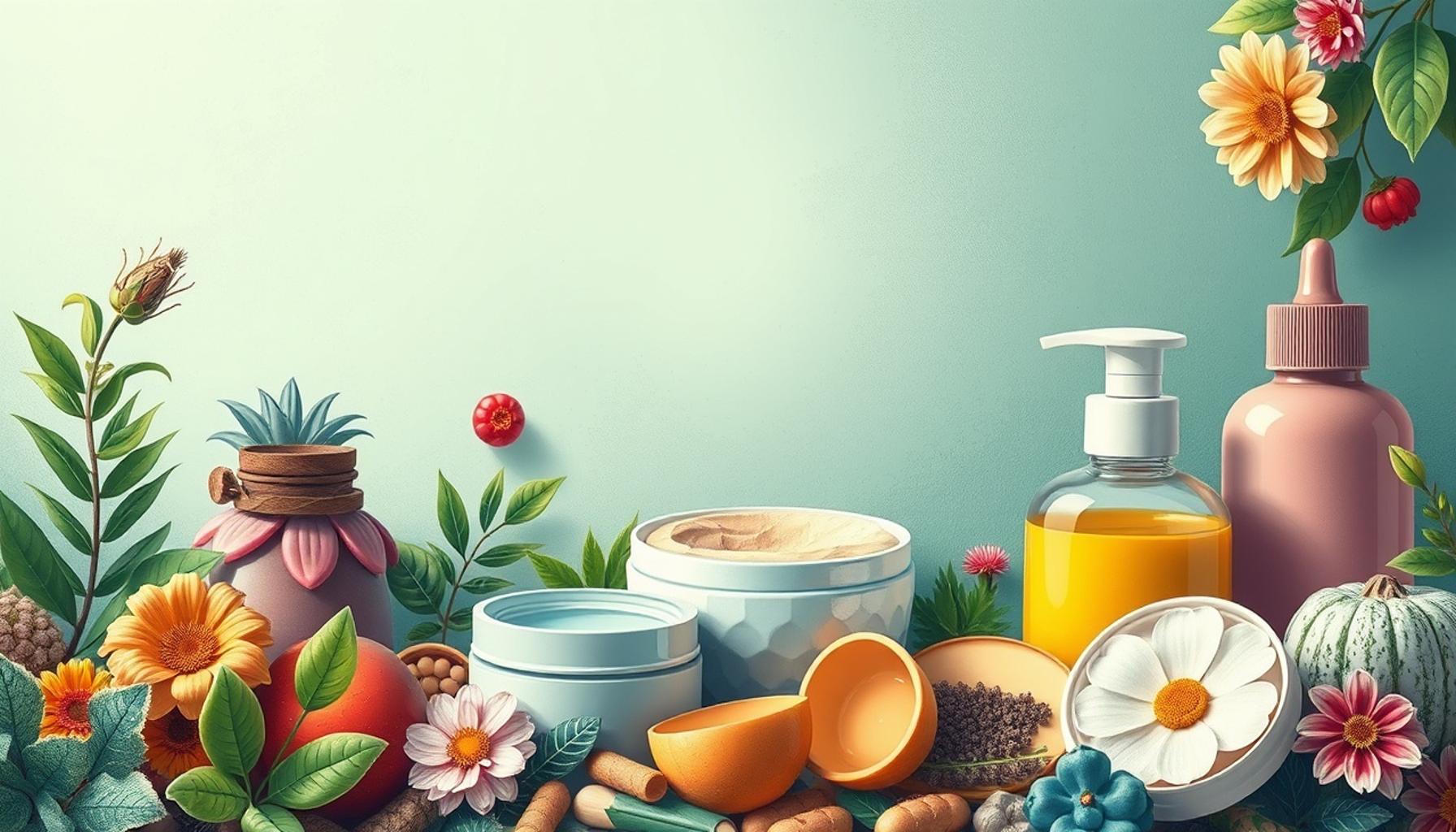
- Natural Ingredients: Ancient cultures utilized a diverse range of natural elements, such as olive oil, honey, and clay, for hydration and protection. For instance, aloe vera was revered in many ancient societies for its soothing properties, and has remained a popular ingredient in today’s skincare formulations.
- Ritualized Practices: Many traditions featured unique customs that emphasized the importance of self-care. Ancient Roman women often engaged in facial steaming to open pores and promote detoxification, while Native American tribes incorporated herbal face masks as spiritual and physical nourishment for the skin. These practices highlighted not only the care of one’s skin but also a deeper connection to nature.
- Social Significance: Beauty rituals have frequently reflected societal values, indicating social status, gender roles, and cultural identity. In the 18th century, for example, powdered wigs and intricate makeup demonstrated wealth and sophistication among European aristocracy, influencing modern perceptions of beauty and glamor.
Today, the landscape of facial care is dominated by:
- Scientific Innovation: Skincare companies now rely on scientific research to formulate effective products. Ingredients like hyaluronic acid, known for its unparalleled moisture retention capabilities, and retinol, celebrated for its anti-aging properties, are backed by extensive clinical studies, making them staples in contemporary skincare routines.
- Technology Integration: Advancements in technology have introduced tools such as LED masks that utilize different light wavelengths to address skin concerns, and jade rollers that promote lymphatic drainage. These devices not only enhance daily routines but also elevate the self-care experience, combining ritualistic practices with the benefits of modern science.
- Inclusivity: The current market offers a broader array of products intended for diverse skin types, tones, and conditions. Brands increasingly focus on catering to specific needs, such as products for sensitive skin or acne-prone complexions, thus promoting an ethos of inclusivity in beauty standards.
As we delve deeper into the evolution of facial care practices, it’s fascinating to witness how these changes have shaped our views on beauty. The inclusion of scientific research, technological advancements, and greater representation all contribute to a more holistic understanding of skincare. This exploration reveals not only shifts in techniques but also the underlying values that inform our skincare choices today, inviting individuals to engage with their beauty routines in thoughtful and meaningful ways.
Ancient Wisdom Meets Modern Science
The evolution of facial care practices reflects a fascinating interplay between tradition and innovation. In ancient times, people relied on their surroundings to create beauty rituals that catered to their skin’s needs. The use of natural ingredients not only provided hydration and nourishment but also tapped into the wisdom passed down through generations. For example, in ancient Egypt, women were known to apply a mixture of honey and milk as a moisturizer, while the Greeks employed olive oil for both beauty and health, a practice that has seen a resurgence in today’s natural skincare market.
The significance of these rituals extended beyond mere aesthetics; they were often intertwined with cultural identity and spiritual beliefs. In Asia, for instance, traditional Chinese medicine emphasized the use of herbal remedies and acupuncture, not only to enhance beauty but also to promote overall well-being. The practice of using rice water as a facial rinse in various Asian cultures dates back centuries, showcasing a timeless pursuit for smooth and radiant skin.
Rituals of the Past: More Than Just Skincare
Facial care rituals from the past often involved elaborate processes that showcased individual creativity and cultural specificity. Consider the following aspects that exemplify the rich history of beauty practices:
- Steam Treatments: As mentioned, ancient Romans adopted facial steaming, a method that was not simply about cleansing but was rooted in social gatherings and communal care. This practice served as a precursor to today’s spa treatments.
- Botanical Remedies: Many ancient cultures, including the Indigenous peoples of North America, relied on a plethora of plants and herbs to address skincare issues. These natural remedies continue to influence contemporary formulations, as interest in organic and plant-based ingredients surges among consumers.
- Cosmetic Tools: Tools such as the Gua Sha stone, which originated in Asian cultures, have gained immense popularity in the Western beauty market. These instruments, used to massage the face and improve circulation, highlight a trend of incorporating ancient techniques into modern routines.
This historical backdrop accentuates how societal norms and values shaped beauty standards over time. The pursuit of flawless skin has always mirrored cultural narratives, with rituals evolving to meet the desires of each era. Interestingly, as modern beauty practices draw inspiration from these age-old traditions, there’s a growing trend toward sustainability and conscious consumption, urging consumers to reconnect with the natural ingredients that have long been revered.
As we progress through history, the fusion of age-old methods with new scientific insights will only deepen our understanding of facial care. From simple olive oil used in ancient times to groundbreaking serums backed by cutting-edge research, the narrative of facial care continually unfolds, inviting us to explore how our ancestors shaped the beauty rituals we embrace today.
The Evolution of Beauty Rituals: How Facial Care Practices Have Changed Over Time
Over centuries, the concept of beauty has been refined and redefined, reflecting cultural values and scientific advancements. As we delve into the history of facial care practices, it becomes evident how various elements—from ancient remedies to modern innovations—have shaped the rituals we embrace today.
In ancient Egypt, beauty rituals were not just about aesthetics; they represented status and power. The use of ingredients like castor oil and honey served both cosmetic and medicinal purposes, laying the groundwork for more sophisticated practices in later eras. Moving to the Renaissance, we see the emergence of beauty manuals, where women shared techniques involving elaborate cleansing routines and the use of natural extracts.
Fast forward to the early 20th century, when the cosmetics industry boomed. The invention of commercial skincare products made facial care more accessible. Women began trying lotions and creams infused with synthetic fragrances, ushering in a new era focused on convenience over traditional methods. This paradigm shift continued into the late 20th century, driven by a growing awareness of skin health, leading to the adoption of ingredients such as retinol and hyaluronic acid.
As we navigate into the 21st century, the rise of natural beauty and sustainability has slightly reversed some of the earlier trends. Consumers are more conscious about the ingredients in their products, favoring transparency and ethical sourcing. This shift has prompted brands to develop skincare lines that integrate organic components alongside cutting-edge technology, highlighting a balance between functionality and natural healing.
The digital era has also revolutionized facial care practices. Access to information and social media has empowered individuals to tailor their skincare routines to their unique needs, leading to the popularity of home remedies and DIY formulations. Beauty influencers play a pivotal role in sharing these insights, creating communities that engage in discussions about effective treatments and experiences.
The evolution of beauty rituals continues, marked by an ongoing exploration of ingredients, techniques, and philosophies that resonate with changing societal norms and values. Facial care practices not only reflect our desire for beauty but also embody a journey through time, revealing how closely intertwined they are with culture, technology, and individual expression.
| Category | Advantages |
|---|---|
| Traditional Ingredients | Utilizes nature for holistic skincare. |
| Scientific Advances | Offers targeted solutions for specific skin concerns. |
The dynamic nature of facial care practices exemplifies our desire to innovate while respecting traditions, enhancing both our self-care rituals and skin health as we progress further into the future.
The Industrial Revolution: A Shift Towards Commercialization
The Industrial Revolution marked a significant turning point in the evolution of beauty rituals, redefining how facial care was perceived and practiced. The introduction of mass production allowed for the creation of commercial skincare products, transforming age-old rituals into accessible routines for the modern consumer. As factories sprang up in cities, the availability of beauty products surged, shifting focus from homemade remedies to store-bought alternatives.
During this era, marketing played a crucial role in shaping beauty standards. Companies began to target women with persuasive advertisements, showcasing the promise of transformation through the right facial care products. Innovations such as the emergence of cold cream in the 19th century, popularized by brands like Pond’s, exemplified how science began to intersect with beauty rituals. Cold cream became a staple in the beauty regimen, offering women a new means of moisturizing their skin amid urban living conditions that often led to dryness and irritation.
The Influence of the 20th Century: Beauty Becomes a Business
The 20th century further revolutionized facial care practices with the rise of influential beauty icons and the media’s power to dictate trends. The introduction of cosmetics during this time transitioned beauty rituals from purely functional practices to expressions of identity and personal aesthetic preferences. For example, the flapper era of the 1920s celebrated a more liberated, glamorous approach to beauty. Women embraced bold makeup, and skincare products flooded the market, promising quick fixes for every conceivable concern.
The decades that followed saw the emergence of groundbreaking products and techniques. The development of sunscreens in the 1930s and anti-aging creams in the 1960s reflected a growing awareness of skin health and protection. With brands like Estée Lauder launching products that combined luxury and efficacy, skincare began to reflect social status, resulting in a culture that linked beauty with consumerism.
The Contemporary Landscape: A Return to Individuality
<pAs we have entered the 21st century, facial care practices have re-emerged with an acute focus on individuality and personalization. In contrast to the homogenized aesthetic of the past, today's consumers demand products tailored to their unique skin types, concerns, and spiritual beliefs. The global rise of the clean beauty movement has spurred a return to natural ingredients, echoing ancient practices while incorporating modern scientific advancements.
Retail brands now emphasize transparency and sustainability, showcasing how ingredients are sourced and formulated to cater to environmentally conscious consumers. Social media platforms, particularly Instagram and TikTok, have played significant roles in democratizing beauty information and trends, allowing individuals to share their own rituals and discoveries, thereby fostering a diverse community of beauty enthusiasts.
- Ingredient Awareness: Consumers are scrutinizing product labels, prioritizing cruelty-free, vegan, and non-toxic claims. This shift has led to a significant increase in the popularity of personalized skincare routines and DIY solutions, including the revival of ancient remedies such as traditional herbal masks.
- Tech Integration: Technology has become inseparable from modern skincare. Tools like facial recognition apps and AI-driven custom formulations have emerged, allowing consumers to analyze their skin’s condition and receive tailored product recommendations.
- Holistic Practices: As the connection between mental and physical health gains traction, practices such as facial yoga, meditation, and mindfulness are increasingly integrated into daily routines, fostering a more comprehensive approach to facial care.
This compelling trajectory—from natural, ritualistic care to industrialization and back to personalized, conscious practices—captures the essence of humanity’s ongoing quest for beauty. As we continue to explore the complexities of skincare, it is clear that the evolution of facial care rituals is not just about products but a deeper reflection of cultural values and individual identities that bend and shift with time.
Conclusion: The Timeless Journey of Facial Care
The journey of facial care rituals reflects a fascinating interplay of history, culture, and personal expression. From the ancient practices that revered natural ingredients to the industrialized beauty landscape that turned rituals into consumer-driven phenomena, we have witnessed a remarkable transformation over the centuries. The transition towards individualized skincare in the 21st century not only signifies a shift in consumer preferences but also returns to the roots of beauty as a deeply personal practice.
The clean beauty movement, with its emphasis on transparency, sustainability, and natural ingredients, marries modern science with past wisdom, creating a unique tapestry of choices for today’s consumers. Moreover, the integration of technology into facial care practices presents a new frontier for personalization, making it easier than ever for individuals to curate their beauty routines to fit their unique needs.
As we reflect on this rich history, it’s essential to recognize that beauty rituals are more than just routines; they are reflections of societal values, aspirations, and individual identities. Today’s diverse landscape encourages exploration and innovation, inviting everyone to discover what beauty means to them, free from past constraints. What was once a simple act of care has evolved into a dynamic dialogue between culture, ethics, and personal identity. As this conversation continues to unfold, we encourage our readers to engage deeply with their own practices, keeping in mind that the journey of beauty is as significant as its destination.
In this era of continuous evolution, the exploration of facial care practices is far from over. Keep an eye on emerging trends, as they may very well shape the future of beauty rituals for generations to come.

Beatriz
Beatriz Johnson is a seasoned skincare specialist and writer with a passion for simplifying the complexities of beauty science and skincare routines. With over a decade of experience in the aesthetics industry, she specializes in topics like ingredient efficacy, anti-aging strategies, and global beauty trends. Through her work, Beatriz empowers readers to make informed skincare choices and stay ahead in the ever-evolving world of beauty and wellness.