The Psychological Effects of Blemishes and Strategies for Building Skin Confidence
The Power of Skin Imperfections: Emotional and Psychological Implications
Skin blemishes, ranging from acne to scars, can leave a lasting impression not only on an individual’s appearance but also on their emotional well-being. These imperfections can trigger intense feelings of self-consciousness and inadequacy, deeply impacting mental health and relationships. The implications of these feelings are far-reaching, influencing various aspects of life, from personal interactions to professional opportunities.
Research indicates that individuals dealing with visible skin conditions often face significant emotional challenges. Those suffering from acne, for instance, have been shown in studies to experience low self-esteem. This symptom is frequently exacerbated by the tendency to compare oneself to peers who may have clearer skin, leading to a distorted perception of self-worth. A survey conducted by the American Academy of Dermatology found that 61% of people with acne reported feeling less confident, with many stating that they avoided social situations due to their appearance.
Anxiety is another common consequence of living with skin imperfections. Individuals may worry excessively about how they are perceived in public, leading to social withdrawal or avoidance of interactions that could potentially highlight their skin issues. For example, a young adult may decline invitations to gatherings or limit online interaction due to fear of being judged based on their skin. This pattern can contribute to a vicious cycle of isolation, where the fear of social situations exacerbates existing skin concerns.
The link between skin imperfections and depression is also noteworthy. Studies have indicated that individuals with chronic skin conditions are at a higher risk for depressive symptoms, as they often internalize negative perceptions and distress regarding their appearance. A review published in the Journal of Cutaneous Medicine and Surgery suggested that adults with conditions like psoriasis or eczema frequently report feelings of hopelessness and an inability to cope with everyday challenges.
Fortunately, despite these emotional challenges, there are effective strategies for fostering skin confidence. Building a positive relationship with one’s skin can be achieved through various means:
- Education: Gaining knowledge about skin health and available treatment options can empower individuals. Understanding the underlying causes of skin conditions can help mitigate feelings of shame or embarrassment.
- Support: Whether through online communities or local support groups, connecting with others who share similar experiences can provide comfort and reassurance. Sharing stories and coping strategies can significantly enhance emotional resilience.
- Self-acceptance: Embracing one’s unique skin story fosters a sense of identity and belonging. Learning to appreciate individual differences can lead to a healthier self-image and better mental health outcomes.
This exploration of the psychological effects tied to skin blemishes sheds light on the profound impact they can have on those affected. By engaging in educational pursuits, seeking supportive environments, and fostering a spirit of self-acceptance, individuals can embark on a journey toward empowerment and improved self-esteem. Join us as we continue to delve deeper into these critical insights, fostering a greater understanding of the intersection between skin health and emotional well-being.
Understanding the Emotional Toll of Skin Blemishes
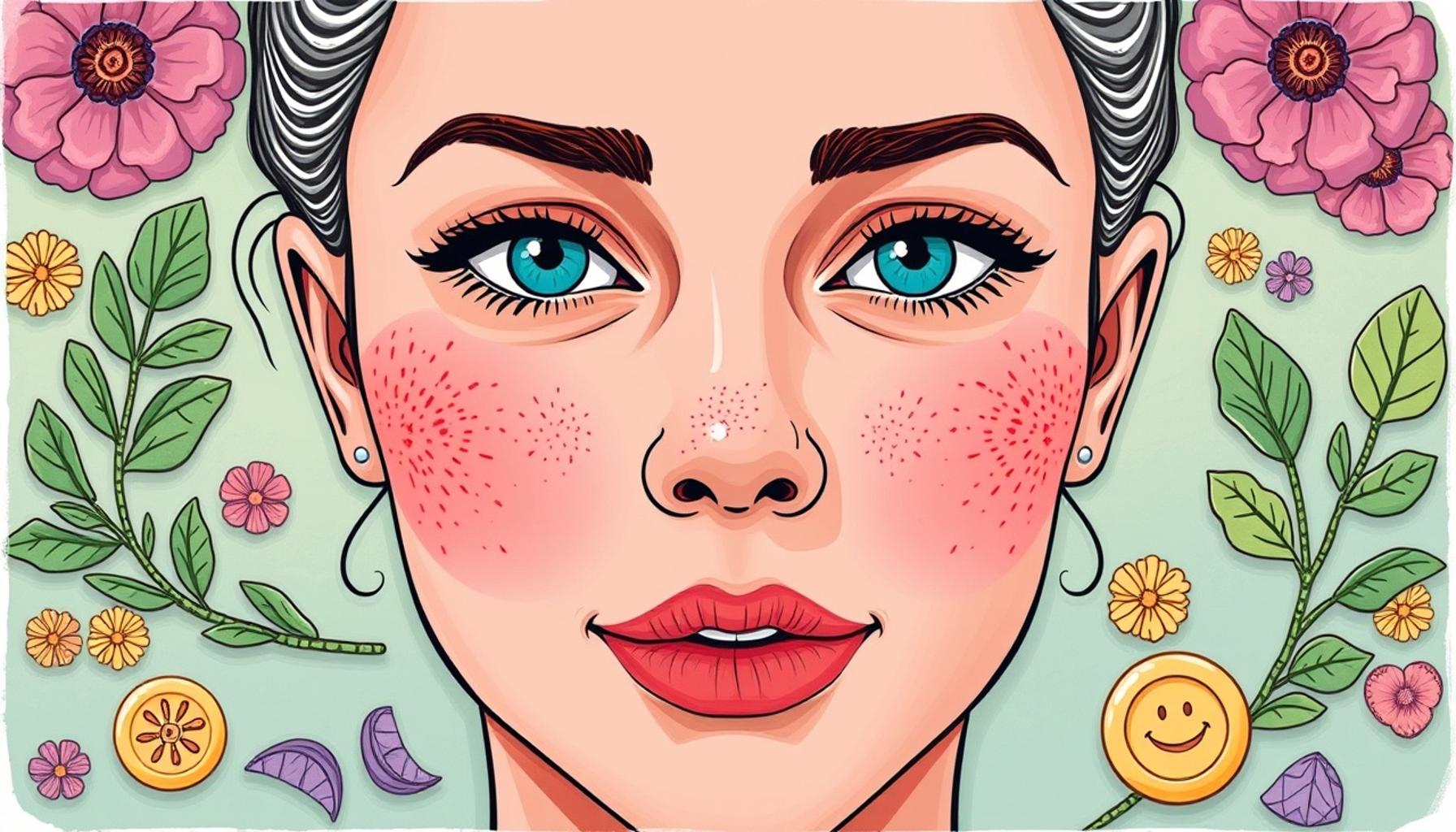
The societal pressure to conform to a certain standard of beauty is ever-present, and skin blemishes can quickly become a focal point of anxiety for many individuals. For those dealing with conditions such as acne, rosacea, or hyperpigmentation, the emotional toll can be particularly heavy. Not only do these imperfections affect how one is perceived by others, but they also permeate self-image and influence day-to-day life.
According to the American Psychological Association, visible skin conditions can lead to significant distress, contributing to feelings of inadequacy and diminishing overall life satisfaction. It is suggested that while many people may dismiss these feelings as superficial, the psychological ramifications are anything but. Individuals with skin blemishes often report feeling judged by peers, family, and even strangers, which compounds their emotional struggles.
A common problem faced by those with skin blemishes is the fear of rejection. This fear can manifest in various ways, including reluctance to engage in romantic relationships or participate in social outings. The anxiety stemming from a perceived lack of acceptance can lead to avoidance behaviors that exacerbate the individual’s feelings of isolation. A 2020 study published in the Journal of Aesthetic Dermatology found that over 50% of young adults experiencing acne had avoided social interactions altogether due to embarrassment over their skin condition.
Moreover, the constant scrutiny of one’s appearance can ignite a destructive cycle of negative self-talk, which often leads to deeper issues such as body dysmorphic disorder (BDD). Individuals with BDD may fixate excessively on perceived flaws, leading to a distorted self-image and functional impairments in daily living. Awareness and early intervention are crucial for individuals exhibiting these signs, with professional treatment options making a significant difference in their quality of life.
Despite these challenges, it is important to remember that strategies exist to mitigate the negative psychological effects of skin blemishes and enhance skin confidence. Understanding the nature of one’s skin condition is a powerful starting point. Here, we explore several actionable strategies:
- Consultation with Professionals: Engaging with dermatologists or mental health professionals can provide tailored treatment plans that address both physical and emotional aspects of skin conditions.
- Building a Healthy Routine: Implementing a reliable skincare routine, combined with healthy lifestyle habits, can increase feelings of control and promote healthier skin.
- Mindfulness Practices: Techniques such as meditation, journaling, or cognitive-behavioral therapy (CBT) can be effective in managing anxiety and fostering a healthier self-perception.
By acknowledging the profound emotional effects associated with skin blemishes and actively engaging in strategies for building skin confidence, individuals can reclaim their sense of self-worth and embrace their unique beauty.
The psychological impact of skin blemishes extends far beyond surface-level concerns. Many individuals experience a wide range of emotions, including anxiety, embarrassment, and social withdrawal due to their skin condition. Blemishes can lead to lower self-esteem and even contribute to mental health issues such as depression. The societal pressure to maintain flawless skin reinforces these feelings, leading individuals to be overly critical of themselves. Understanding this reality is crucial for both individuals experiencing these effects and those supporting them.
Building skin confidence requires a multifaceted approach that includes both psychological and practical strategies. Education plays a vital role; understanding skin types, blemish causes, and effective treatments can empower individuals. Seeking professional help, such as consulting dermatologists or therapists specializing in body image issues, offers tailored guidance. Moreover, adopting a healthy skincare routine can mitigate blemishes and provide a sense of control over one’s appearance.
One effective strategy is practicing self-compassion. Reframing negative thoughts about our skin into more positive affirmations can significantly shift mindsets. For example, instead of saying, “I hate my skin,” one might say, “My skin tells my story and I can take steps to care for it.” Building a supportive community, whether through online forums or in-person groups, can also have a transformative effect, fostering a shared space for positivity and acceptance.
Furthermore, engaging in creative outlets such as art or writing can serve as therapeutic practices, allowing individuals to express their feelings regarding their skin. Mindfulness techniques, such as meditation and yoga, can also help alleviate anxiety associated with skin issues, promoting a balanced mental state.
In summary, the journey to skin confidence is deeply personal and varies for each individual. Incorporating education, self-compassion, community support, and creative expression into one’s life not only improves skin health but also enhances psychological well-being. Through these strategies, individuals can reclaim their skin confidence and enjoy a more fulfilling social life.
| Advantages | Key Features |
|---|---|
| Improved Self-Esteem | Positive affirmations promote a healthier self-image. |
| Mental Clarity | Mindfulness techniques reduce anxiety and improve focus. |
| Community Support | Joining forums helps individuals connect with others facing similar issues. |
| Creative Expression | Art and writing can serve as therapeutic outlets for frustration and anxiety. |
Empowering Your Self-Image Through Healthy Habits and Mindset Changes
The journey to building skin confidence is multifaceted and requires a comprehensive approach that encompasses both physical care and mental fortitude. Recognizing that one’s worth is not solely determined by appearance can be a liberating step toward self-acceptance. Through a combination of practical strategies and self-affirming practices, individuals can cultivate a more positive relationship with their skin and themselves.
One effective approach is to focus on positive affirmations. Regularly practicing self-affirmation can gradually reshape negative thought patterns. For instance, setting aside just five minutes each day for affirmations can include phrases such as “I am beautiful as I am” or “My value exceeds my appearance.” Research from the Journal of Personality and Social Psychology has shown that self-affirmation can enhance one’s self-esteem and reduce anxiety, creating a healthier perspective on personal imperfections.
Additionally, engaging in support groups or online communities can provide much-needed encouragement and a sense of belonging. Environments where individuals share their experiences with skin conditions can break the cycle of isolation and mitigate feelings of shame. The anonymity of online platforms can be particularly beneficial as it allows individuals to speak freely about their struggles and share coping strategies without fear of judgment. Platforms like Reddit have dedicated communities that focus on skin positivity, further empowering users to embrace their skin journeys collectively.
Another crucial component is education. Understanding the scientific and medical basis for skin conditions can dispel myths that often contribute to embarrassment and anxiety. For example, recognizing that acne is primarily influenced by hormonal fluctuations or genetics, rather than cleanliness or lifestyle choices, can alleviate feelings of personal blame. Workshops or reading resources provided by dermatology clinics can be instrumental in demystifying various skin conditions while emphasizing that they are common and manageable.
Moreover, the integration of a holistic health approach can significantly impact skin quality and overall well-being. This includes not only a tailored skincare routine but also dietary choices rich in vitamins and antioxidants, exercise, and hydration. A diet abundant in fruits, vegetables, and healthy fats can promote skin health from within. Furthermore, regular physical activity has cognitive benefits that include reducing stress and anxiety, which are often exacerbated by the emotional burden of skin blemishes.
Additionally, considering cosmetic treatments may provide both physical and psychological benefits. While these should not be the sole focus for improving self-esteem, options such as chemical peels or laser therapy can enhance appearances and boost confidence. However, it’s paramount to explore these options with qualified dermatology professionals to establish appropriate and realistic expectations.
Through a combination of positive mindset shifts, community support, education, healthy lifestyle changes, and professional guidance, individuals grappling with the psychological effects of blemishes can move toward a more accepting and confident self-view. Emphasizing psychological well-being alongside skin health will create a solid foundation for a more fulfilling life, free from the constraints that skin imperfections are often unjustly assigned.
Conclusion: Embracing Skin Confidence for a Healthier Mindset
The psychological effects of blemishes can be profound, impacting self-esteem and overall mental health. However, by implementing effective strategies to build skin confidence, individuals can reclaim their self-worth and redefine their relationship with their skin. Key actions such as practicing positive affirmations, joining supportive communities, and seeking education about skin health can significantly alter the perception of skin imperfections. These strategies empower individuals to see beyond their blemishes, fostering a sense of connection with others on similar journeys.
Moreover, adopting a holistic approach that encompasses proper skincare, balanced nutrition, and regular exercise can enhance not only physical appearance but also emotional resilience. Understanding that skin conditions often arise due to factors beyond personal control, such as genetics and hormonal changes, can help dispel damaging myths and alleviate self-blame.
Lastly, while cosmetic treatments can offer additional avenues for boosting confidence, they should complement a broader framework of self-acceptance and mental health awareness. By integrating these strategies into daily life, individuals can cultivate a supportive environment where skin confidence thrives. Ultimately, embracing one’s unique skin journey not only leads to personal empowerment but also contributes to a more inclusive narrative that celebrates diversity in beauty. As we shift the focus from imperfection to individual strength, we pave the way for a society that values authenticity over appearance.

Beatriz
Beatriz Johnson is a seasoned skincare specialist and writer with a passion for simplifying the complexities of beauty science and skincare routines. With over a decade of experience in the aesthetics industry, she specializes in topics like ingredient efficacy, anti-aging strategies, and global beauty trends. Through her work, Beatriz empowers readers to make informed skincare choices and stay ahead in the ever-evolving world of beauty and wellness.