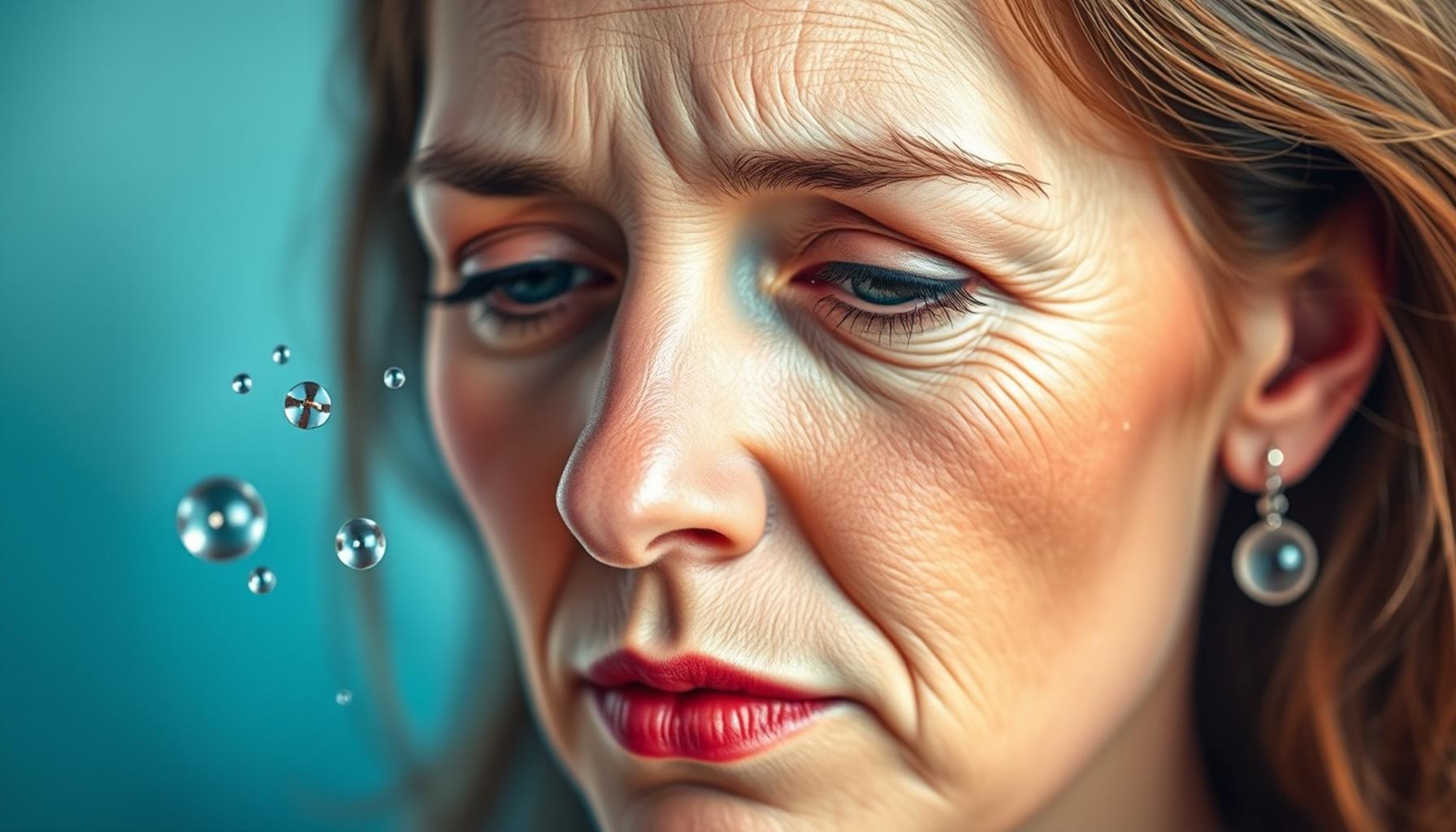
Hormonal Changes and Their Relationship with Skin Aging: How to Balance for a Healthy Appearance
Understanding Hormones and Their Impact on Skin Aging
As we navigate through life, our bodies experience significant hormonal changes that leave a mark on our skin’s health and appearance. Many individuals may overlook the intricate relationship between hormones and the visible signs of aging, which often manifest as wrinkles, fine lines, and a decline in skin elasticity. A deeper understanding of this connection not only illuminates the aging process but also serves as a critical stepping stone toward more effective skincare and lifestyle choices.
The role of hormones in skin aging is multi-faceted, with several key hormones influencing various aspects of skin health. Consider the following:
- Estrogen: This hormone significantly decreases after menopause, which can lead to several distressing changes in the skin. As estrogen levels drop, skin may become drier and thinner, making it more susceptible to irritation and damage. Additionally, the reduction in collagen production—a protein essential for skin structure and elasticity—can accelerate the formation of wrinkles.
- Testosterone: Though often associated with male physiology, testosterone plays a critical role in skin health for both genders by influencing oil production. An imbalance in testosterone can lead to varied skin conditions; for instance, lower levels may cause excessive dryness, while higher levels can trigger acne breakouts. This underscores the importance of maintaining hormonal balance at all stages of life.
- Cortisol: Often referred to as the “stress hormone,” cortisol can wreak havoc on our skin when present in elevated levels, commonly due to chronic stress. Increased cortisol is linked to a reduction in skin elasticity, contributing to premature aging and the visible appearance of fine lines. Moreover, it can exacerbate conditions like rosacea and acne, further complicating skin issues.
A healthy hormonal profile is vital for preserving a youthful appearance. Various lifestyle factors interplay with hormonal balance, including nutrition, physical activity, and stress management. For instance, diets rich in antioxidants—such as fruits, vegetables, and whole grains—can support skin health by protecting against oxidative stress, which is accelerated by aging and environmental factors.
Meanwhile, engaging in regular physical activity not only enhances overall well-being but also helps regulate hormones like cortisol. Incorporating stress-reduction techniques such as meditation, yoga, or even deep-breathing exercises can significantly lower cortisol levels, positively impacting skin health.
Understanding the complex dynamics between hormones and skin aging invites us to rethink our approach to skincare. With several options available, such as targeted topical treatments and lifestyle changes, individuals can actively combat the signs of aging. Implementing a proper skincare routine tailored to hormonal fluctuations can lead to a renewed and revitalized appearance.
Exploring these facets of skin health is crucial in promoting a proactive attitude toward aging. By making informed decisions about diet, managing stress, and adhering to effective skincare practices, we can all support our skin in its journey through the years.
The Hormonal Landscape: Key Players in Skin Health
As we delve deeper into the relationship between hormonal changes and skin aging, it is essential to recognize that multiple hormones govern the health and appearance of our skin throughout our lives. Each hormone interacts with skin cells and structures, creating a complex network that either supports or detracts from our skin’s vitality. Understanding these key players can pave the way for tailored approaches to maintaining a youthful appearance as we age.
Aside from the notable hormones of estrogen, testosterone, and cortisol, several other hormones play pivotal roles in skin health:
- Thyroid Hormones: Thyroid hormones, including T3 and T4, are crucial for regulating metabolism in cells throughout the body, including skin cells. An underactive thyroid (hypothyroidism) can lead to dry, flaky skin, whereas an overactive thyroid (hyperthyroidism) may result in excessively oily skin. Maintaining a balanced thyroid function can significantly affect skin texture and hydration.
- Insulin: Insulin not only regulates blood sugar levels but also influences the skin’s oil production and growth. Insulin resistance, often linked to conditions such as obesity and metabolic syndrome, can contribute to acne and the thickening of the skin, reinforcing the importance of maintaining stable blood sugar levels through diet and exercise.
- Growth Hormone: Produced by the pituitary gland, growth hormone stimulates cell growth and regeneration, playing a critical role in collagen production during our youth. With aging, levels of growth hormone decline, which can impair the skin’s ability to heal and maintain its elasticity. Promptly addressing growth hormone deficiencies may bolster the skin’s reparative processes.
Beyond hormonal considerations, our skin’s health is also interlinked with lifestyle choices. The aging process does not exist in a vacuum—what we consume or how we manage stress influences our hormonal profile and, by extension, our skin’s appearance. For instance, a diet abundant in processed sugars and unhealthy fats may exacerbate the onset of inflammatory skin conditions and accelerate visible aging.
Furthermore, the active pursuit of physical fitness is linked to hormonal balance. Engaging in regular aerobic exercise has been shown to enhance circulation and promote lymphatic drainage, which benefits skin function. Such activities can also lower stress and reduce cortisol levels, allowing your skin to maintain its resilience against the signs of aging.
As we begin to dissect the correlation between hormones and skin aging, it opens the door for innovative interventions in skincare. Adaptation of one’s daily regimen to address hormonal fluctuations can yield significant improvements in skin texture, tone, and overall appearance. From choosing the right products to implementing beneficial lifestyle changes, insight into hormonal dynamics equips individuals with the knowledge to embrace their skin’s evolving needs.
Understanding Hormonal Influence on Skin Health
As we age, hormonal changes play a significant role in skin aging. The decline in hormones such as estrogen and testosterone can lead to a multitude of skin issues, including dryness, loss of elasticity, and increased susceptibility to wrinkles. Understanding these changes can be the key to finding effective solutions. One crucial aspect to consider is the timing of hormonal changes, especially during menopause or andropause. Research indicates that during these transitional phases, the skin can experience rapid changes, making it essential to adapt skincare regimens accordingly. Incorporating hormone-balancing products and treatments can drastically improve skin vitality and appearance.Furthermore, certain lifestyle factors, such as diet and stress levels, can significantly impact hormone levels. For instance, foods rich in phytoestrogens, like soy products, can help mimic estrogen effects on the skin. Additionally, managing stress through mindfulness practices can stabilize cortisol levels, which, when elevated, can negatively affect skin health.
Alternative Therapies and Solutions
In recent years, alternative therapies have gained popularity as potential solutions for hormonal imbalance and its effects on aging skin. Treatments such as hormone replacement therapy (HRT) have been researched for their efficacy in reducing symptoms associated with low hormone levels. However, patient experience varies; thus, consulting with a healthcare professional is crucial for personalized recommendations.Moreover, exploring natural supplements like omega-3 fatty acids can also support skin health. They help maintain moisture levels and reduce inflammation, counteracting some aging effects. Different skincare routines focusing on hydration, exfoliation, and targeted serums can play a pivotal role in enhancing skin texture and tone during these hormonal transitions.For individuals looking to balance their skin’s appearance amidst hormonal fluctuations, embracing a comprehensive approach that includes both skincare products and lifestyle adjustments is vital. Understanding the interplay between hormones and skin health is essential for achieving a radiant, youthful appearance.
Influencing Factors: Lifestyle Choices and Hormonal Balance
While hormonal fluctuations are a natural part of aging, understanding how various lifestyle factors impact these hormones can offer valuable insights into keeping our skin youthful. The interplay between diet, stress management, and physical activity creates a significant ripple effect on hormone levels, ultimately influencing skin health and appearance.
Nutrition plays a foundational role in supporting hormone balance and skin vitality. A diet rich in antioxidants, healthy fats, and essential vitamins can counteract oxidative stress and inflammation, two primary contributors to skin aging. Foods high in omega-3 fatty acids—such as fatty fish, walnuts, and chia seeds—help regulate lipid production and maintain skin barrier function. Vitamins such as C, E, and A can support collagen synthesis and offer protection from UV damage, often a major factor in premature skin aging.
On the other hand, a diet steeped in processed sugars and refined carbohydrates can lead to increased insulin levels, promoting a condition known as glycation. Glycation occurs when sugar molecules adhere to proteins, including collagen and elastin, which ultimately undermines skin structure and elasticity. Replacing sugary snacks and ultra-processed foods with whole, nutrient-dense alternatives could be the key to fostering a vibrant complexion.
Stress is another critical player in the hormonal landscape. Chronic stress triggers a surge in cortisol, often dubbed the “stress hormone.” Elevated cortisol levels can result in increased oil production, leading to acne breakouts and other inflammatory skin conditions. Not only does managing stress support hormone regulation, but it also promotes overall wellness. Techniques such as mindfulness, yoga, and meditation can help mitigate stress levels and foster a rejuvenating effect on skin appearance.
The role of physical activity in maintaining hormonal balance cannot be overstated. Regular exercise has been shown to improve circulation, which enhances nutrient delivery to skin cells—ultimately promoting a less saggy and more youthful appearance. Furthermore, exercise helps regulate hormone levels by decreasing cortisol and enhancing the production of beneficial hormones such as endorphins and growth hormone. When combined with a balanced diet, physical activity can be an effective strategy for combating multiple hallmarks of skin aging.
Importantly, some individuals may face hormonal changes that require more than just lifestyle adjustments. Women often experience hormonal imbalances due to factors such as menopause, which can lead to decreased estrogen levels affecting skin hydration and elasticity. Men, too, face testosterone declines as they age, which can manifest in thinner skin. For both sexes, hormone replacement therapy (HRT) presents a pathway to mitigating some of these aging effects, although it necessitates professional guidance to ensure safety and efficacy.
Moreover, advancements in skincare science offer additional avenues for addressing hormonal impacts on skin health. Topical treatments that promote collagen production and dermal hydration are readily available, with ingredients such as retinoids, hyaluronic acid, and peptides becoming staple components in anti-aging regimens. Integrating these formulations with lifestyle changes can provide a holistic approach to retaining skin’s youthful resilience.
In this multifaceted exploration of the link between hormones and skin aging, it becomes clear that achieving a balance requires a proactive and informed approach. By paying close attention to our lifestyle choices and seeking tailored solutions, it is entirely possible to maintain a healthy appearance well into the later years of life.
Conclusion: Embracing Balance for Timeless Skin
In the intricate journey of aging, the connection between hormonal changes and skin health emerges as a pivotal focal point. As we have explored, lifestyle factors—including nutrition, stress management, and physical activity—hold the key to maintaining a vibrant and youthful complexion amidst the relentless tide of hormonal fluctuations. Proper nutrition, rich in antioxidants and healthy fats, not only fortifies hormone regulation but also combats oxidative stress, which can accelerate skin aging.
Moreover, understanding the impact of chronic stress on cortisol levels allows individuals to adopt effective stress management techniques, such as mindfulness and physical activity, to preserve skin quality. The dual power of exercise and a balanced diet can yield remarkable improvements in skin vitality and overall well-being. For those experiencing significant hormonal shifts due to aging or life events, exploring options like hormone replacement therapy under professional guidance offers a potential pathway toward rejuvenation.
In conclusion, while hormonal changes are inevitable, our response can dictate the health of our skin over time. By embracing a holistic approach that combines lifestyle adjustments with modern skincare techniques—such as retinoids and peptides—we equip ourselves to not only combat the signs of aging but also to enhance our natural beauty. So, whether you’re seeking to rejuvenate your skin or discover new methods of care, remember that the synergy between hormonal balance and self-care practices can illuminate the path to a radiant and healthy appearance.

Beatriz
Beatriz Johnson is a seasoned skincare specialist and writer with a passion for simplifying the complexities of beauty science and skincare routines. With over a decade of experience in the aesthetics industry, she specializes in topics like ingredient efficacy, anti-aging strategies, and global beauty trends. Through her work, Beatriz empowers readers to make informed skincare choices and stay ahead in the ever-evolving world of beauty and wellness.